
For years, job interviews have been going online. Video calls, automated screenings, and tests based on artificial intelligence became the norm.
But now, something strange is happening.
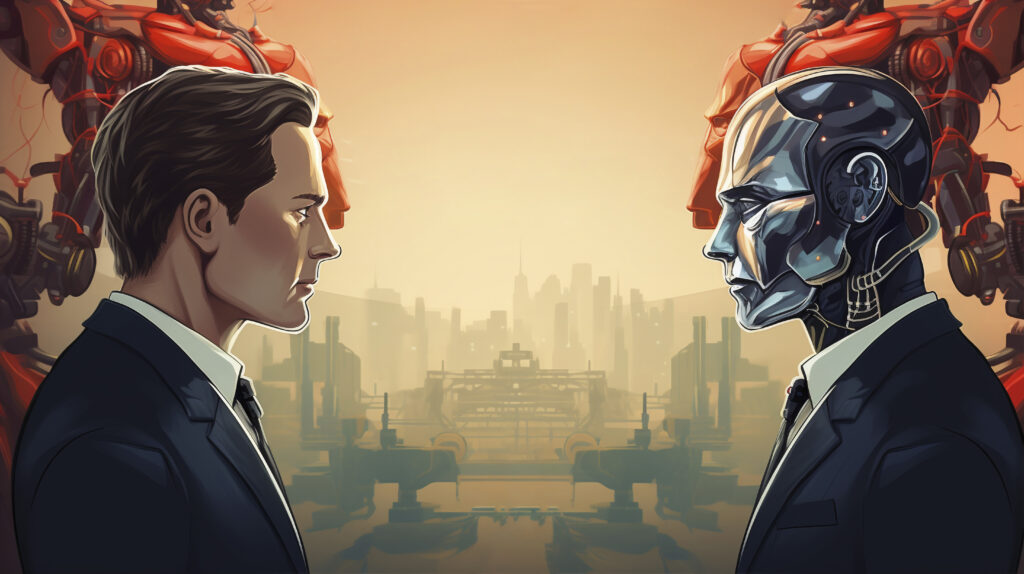
AI is making it necessary to have job interviews in person again.
Companies that used to hire a lot of people remotely are now quietly bringing candidates back into interview rooms. This change isn’t random; it’s a direct response to how AI is affecting jobs, hiring, and how people are evaluated in the AI era.
Let’s figure out what’s going on, what it means for jobs, and how you should get ready.
Why Businesses Are Going Back to Face-to-Face Interviews

Hiring is faster with AI, but it’s also riskier.
- AI has made it easy to pretend to be good at something
Candidates can do the following today:
ChatGPT can help you answer questions in an interview.
Make perfect resumes in just a few minutes
Practice your scripted answers over and over.
It’s almost impossible to know on video calls:
Who really knows how to do it
Who is reading answers made by AI
Who can really handle pressure
In-person interviews take away this fake sense of confidence.
- Recruiters Want to Test People’s Skills Again
AI is great at testing technical skills, but not so good at judging:
The way you move your body
Talking to each other when you’re stressed
Emotional smarts
Solving problems for real
In the age of AI, these human traits are more important than ever, which is why companies want to talk to people face-to-face again.

- AI screening made too many candidates who were “similar.”
When lots of people use the same AI tools:
Resumes start to look the same
The answers sound rehearsed.
Creativity goes away
In-person interviews help recruiters find people who think outside the box, which AI can’t do.
How AI Is Changing Jobs and Interviews at the Same Time
AI has changed not only interviews but also what employers look for.
Companies Look For In The AI Age:
Ability to make decisions
Flexibility
Thinking critically
Being there and talking
Making moral decisions
It’s hard to judge these things with screens and algorithms.
That’s why AI is indirectly pushing businesses to go back to hiring methods that focus on people, like in-person interviews.
Jobs That Will Be Affected the Most

Not all jobs will require in-person interviews, but roles heavily influenced by AI in jobs are seeing this shift the most.
High-Impact Positions:
Positions of management and leadership
Roles that involve working with clients
Sales and marketing
Strategy, consulting, and human resources
Jobs that require a lot of creativity and decision-making
These jobs rely on human judgment as much as they do on technical skills.
What This Signifies for AI-Era Job Searchers
If you solely depend on:
AI-generated resumes
Answers that are committed to memory
Internet visibility
In-person interviews could be difficult for you.
The New Actuality:
You can be shortlisted by AI, but you can only be hired if you have human skills.
How to Get Ready for Face-to-Face Interviews in the AI Age
Here’s how to maintain your lead:
- Develop Actual Skills, Not Just AI Production
Instead of pretending to be an expert, use AI to learn more quickly.
- Think More Often, Not Memorize
Anticipate:
Examples of cases
Follow-up inquiries
Unpredictable dialogue
AI cannot assist you when interacting with people in real time.
- Boost Presence and Communication
Work on:
Speaking clearly
Self-assurance
Ability to listen
Body language
These abilities are starting to define careers.
- Don’t hide your use of AI; instead, demonstrate it.
Businesses detest blind reliance rather than AI.
Prepare an explanation:
How AI can be used as a tool
How to confirm AI results
How human judgment is added
The Bigger Picture: AI is redefining jobs rather than eliminating them.
One thing is demonstrated by the return of the in-person job interview:
Those who can combine strong human skills with AI skills will be the ones of the future.
AI-era jobs will compensate:
Thinkers rather than followers
Flexible brains over pre-written responses
AI users who don’t hide behind it